Chiang Rai, Thailand — 15 September 2025
The participatory workshop, led by Asian Institute of Technology, organized a participatory workshop in Chiang Rai, brining government agencies, academic institutions, civil society organizations, and international partners convened at the Imperial River House Resort for a participatory workshop aimed at co-developing solutions to strengthen urban water security through Nature-based Solutions (NbS). The event brought together over 30 representatives from provincial departments, universities, and environmental organizations to collectively explore strategies for addressing increasing climate risks in northern Thailand.
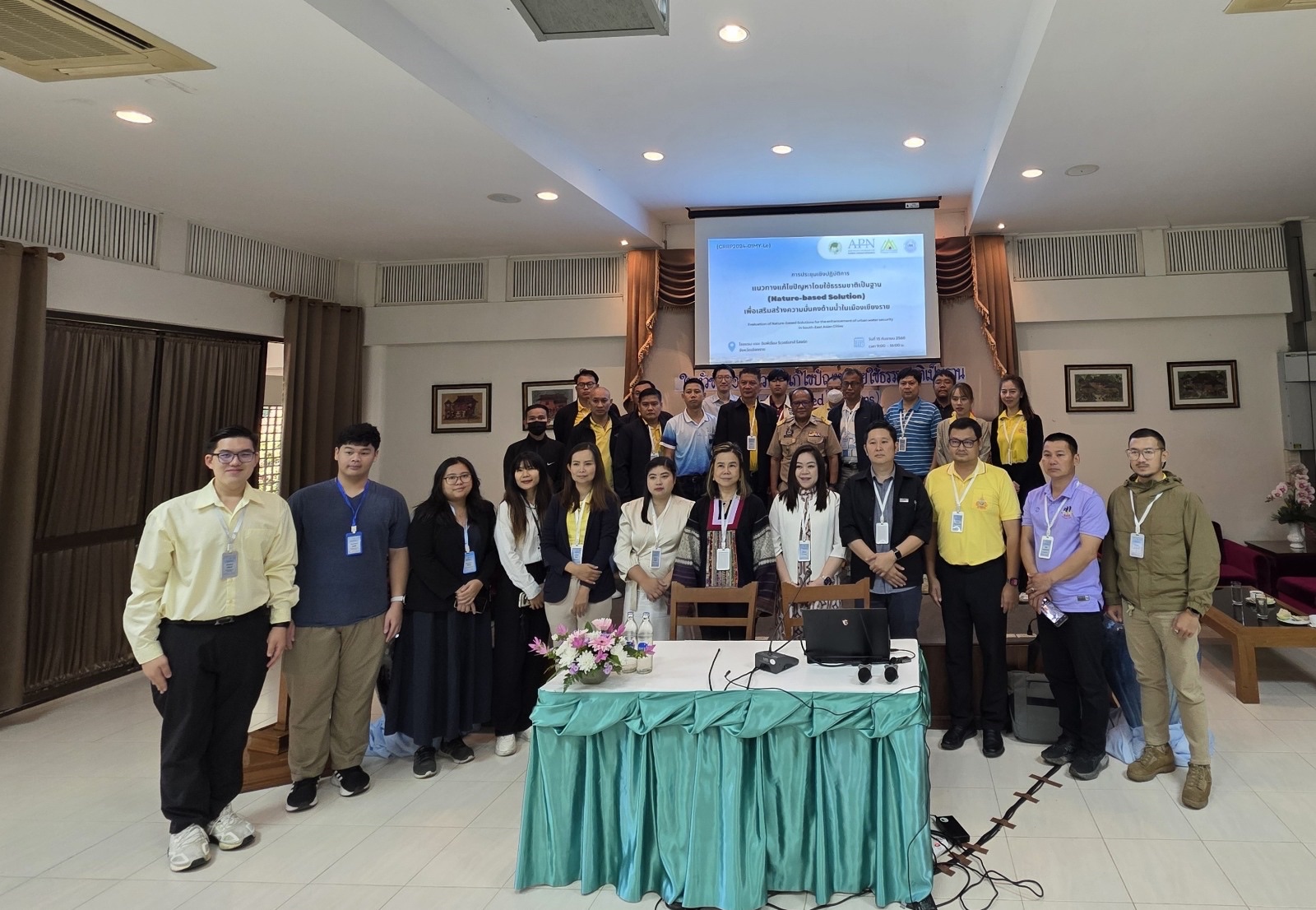
Photo 1: Group photo of the participants of the workshop
The workshop is part of a broader initiative assessing current water availability, identifying vulnerabilities in Chiang Rai’s water supply systems, and evaluating the potential of NbS to enhance resilience. With rapid urbanization, shifting land use patterns, and recurring droughts and floods, Chiang Rai faces mounting water security challenges that disproportionately affect peri-urban and rural communities. The workshop sought to place local perspectives at the center of planning and adaptation efforts.
Setting the Stage: Understanding the Water Security Challenge
The program opened with remarks from the Director of the Department of Disaster Prevention and Mitigation. (DPMM), followed by a contextual presentation delivered by Mr. Tapanan Chiravichitchai who is the representative from IUCN’s Chiang Rai office. The presenters highlighted scenario maps illustrating flood impacts on communities, infrastructure, and ecosystems—underscoring the urgency for more integrated and sustainable approaches.
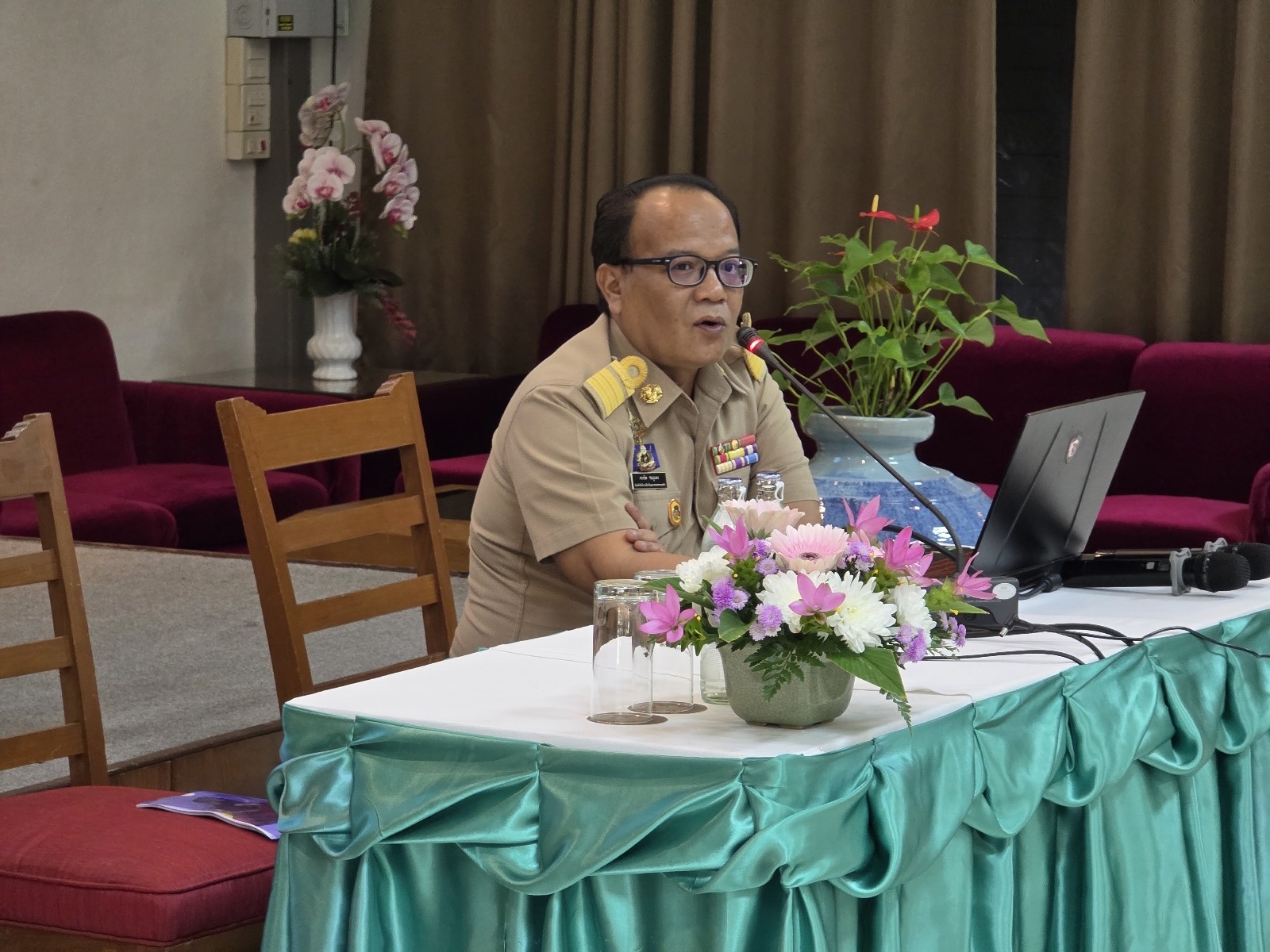
Photo 2: Department of Disaster Prevention and Mitigation providing insights on current hydrological issues in Chiang Rai
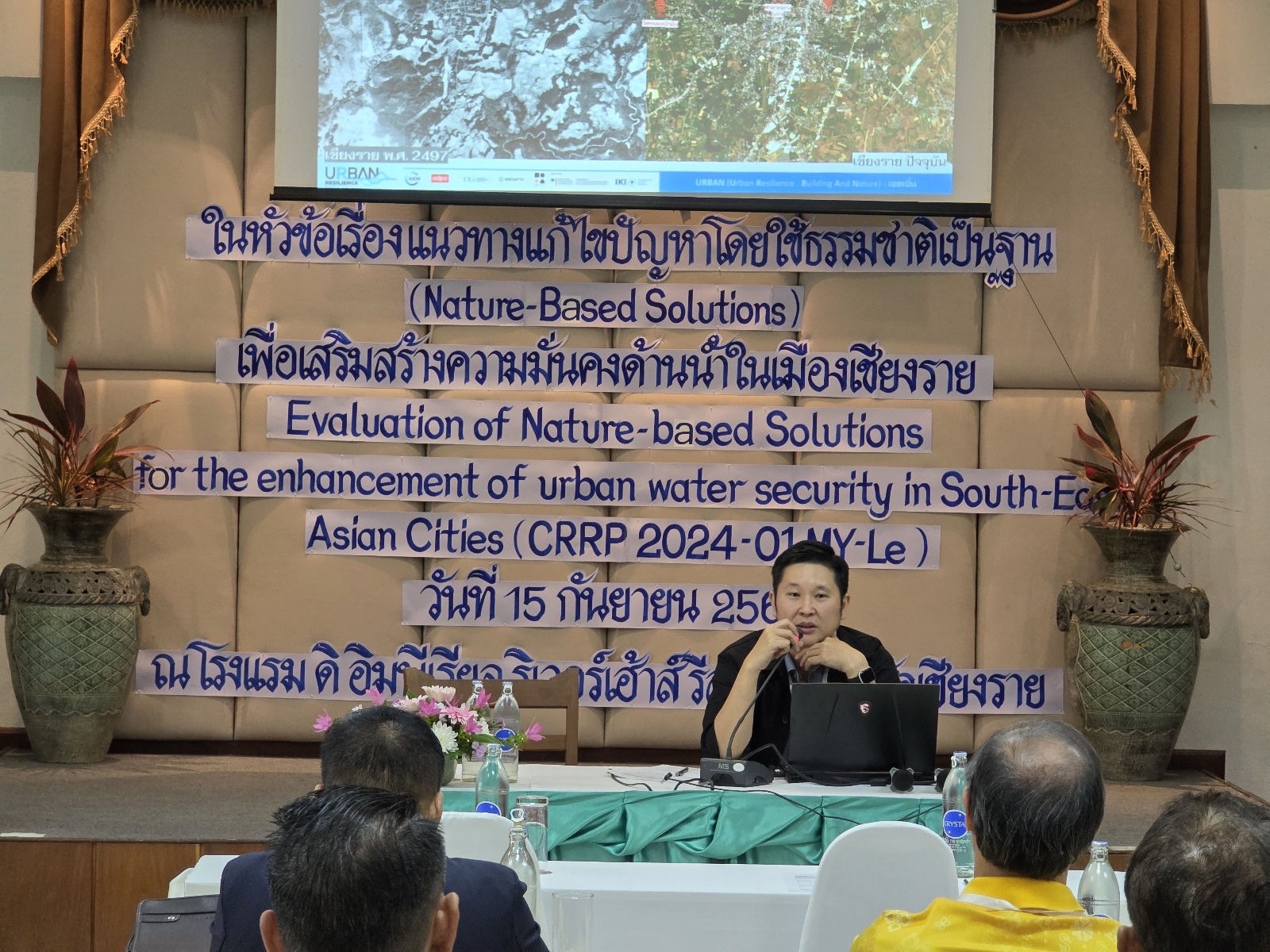
Photo 3: Mr. Tapanan Chiravichitchai (IUCN) providing insights on application of NbS in Thailand
Participants were briefed on the province’s exposure to climate variability, the limitations of existing built infrastructure, and the need for community-driven strategies that build on Indigenous and local knowledge.
Community Voices: Mapping Flood Impacts and Social Vulnerability
In the mid-morning participatory session, attendees engaged in group discussions to map climate risks and identify how floods and droughts affect different population groups, including women, the elderly, and persons with disabilities. Moderated by experts from AIT and partner institutions, the discussions explored:
- Gaps in early warning dissemination
- Barriers to evacuation and relocation for vulnerable groups
- Existing community coping mechanisms
- Perceptions of water security and reliability
Participants emphasized persistent inequities in access to information and resources, calling for more inclusive systems that ensure no one is left behind during climate emergencies.
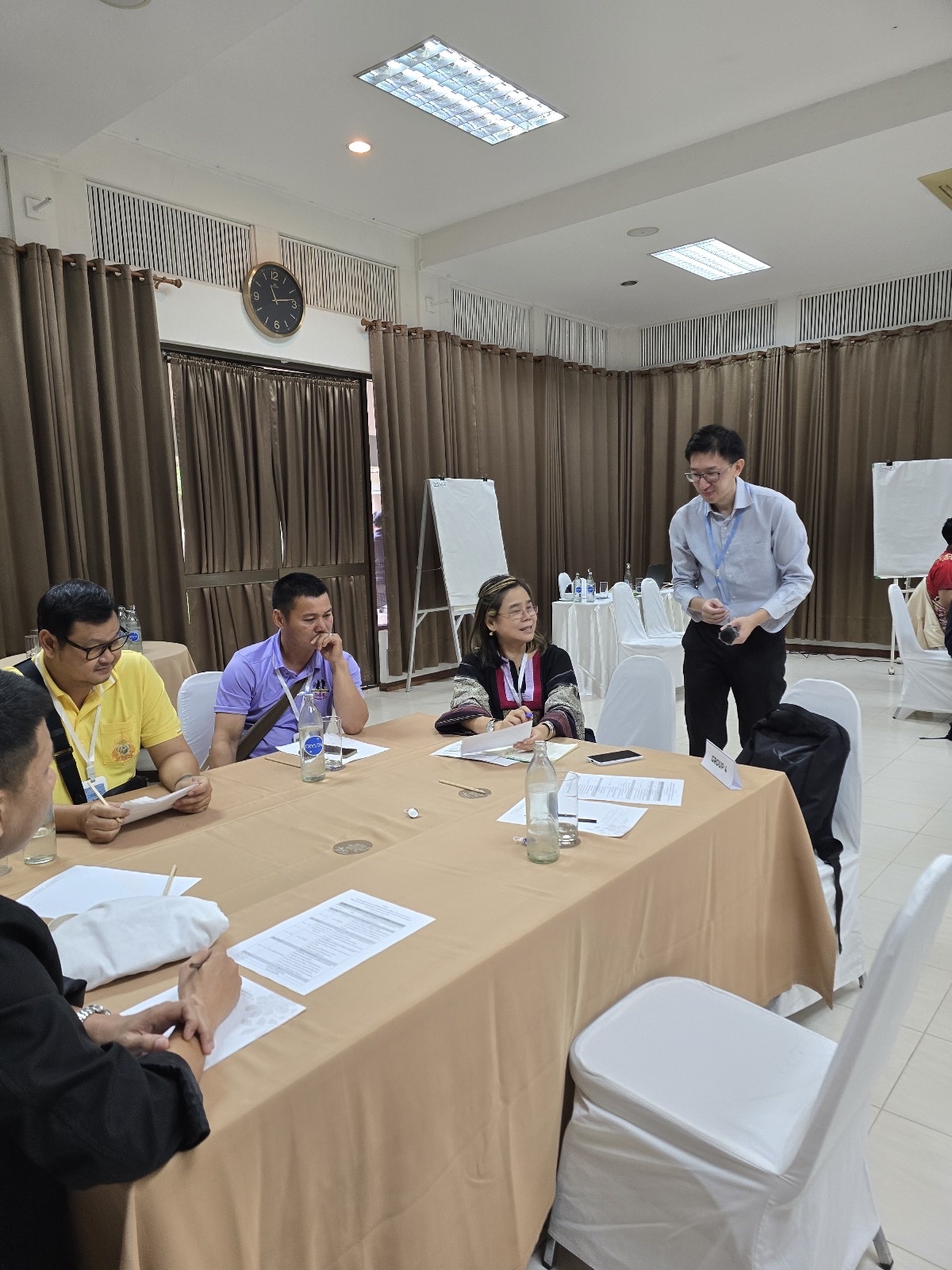
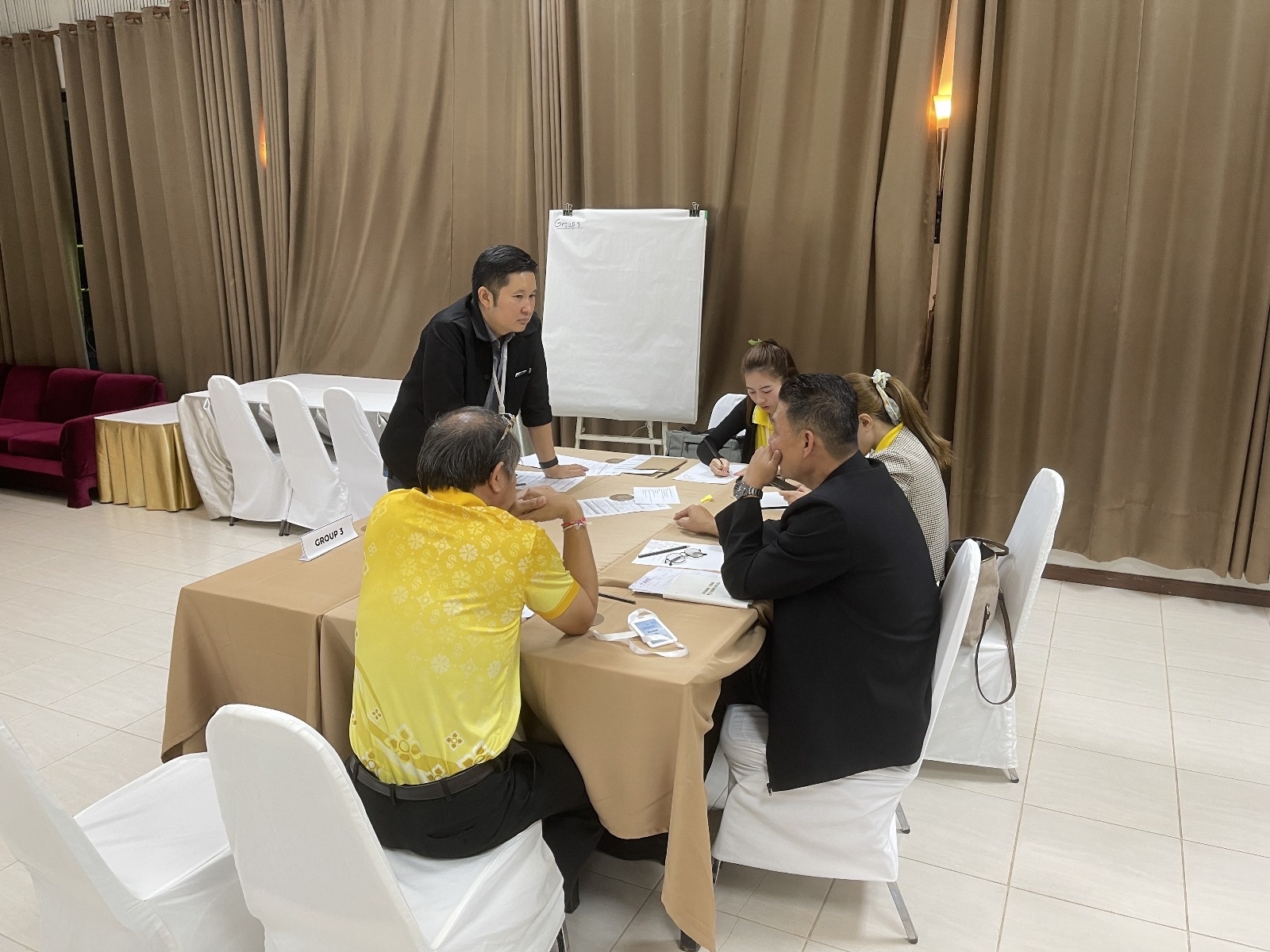
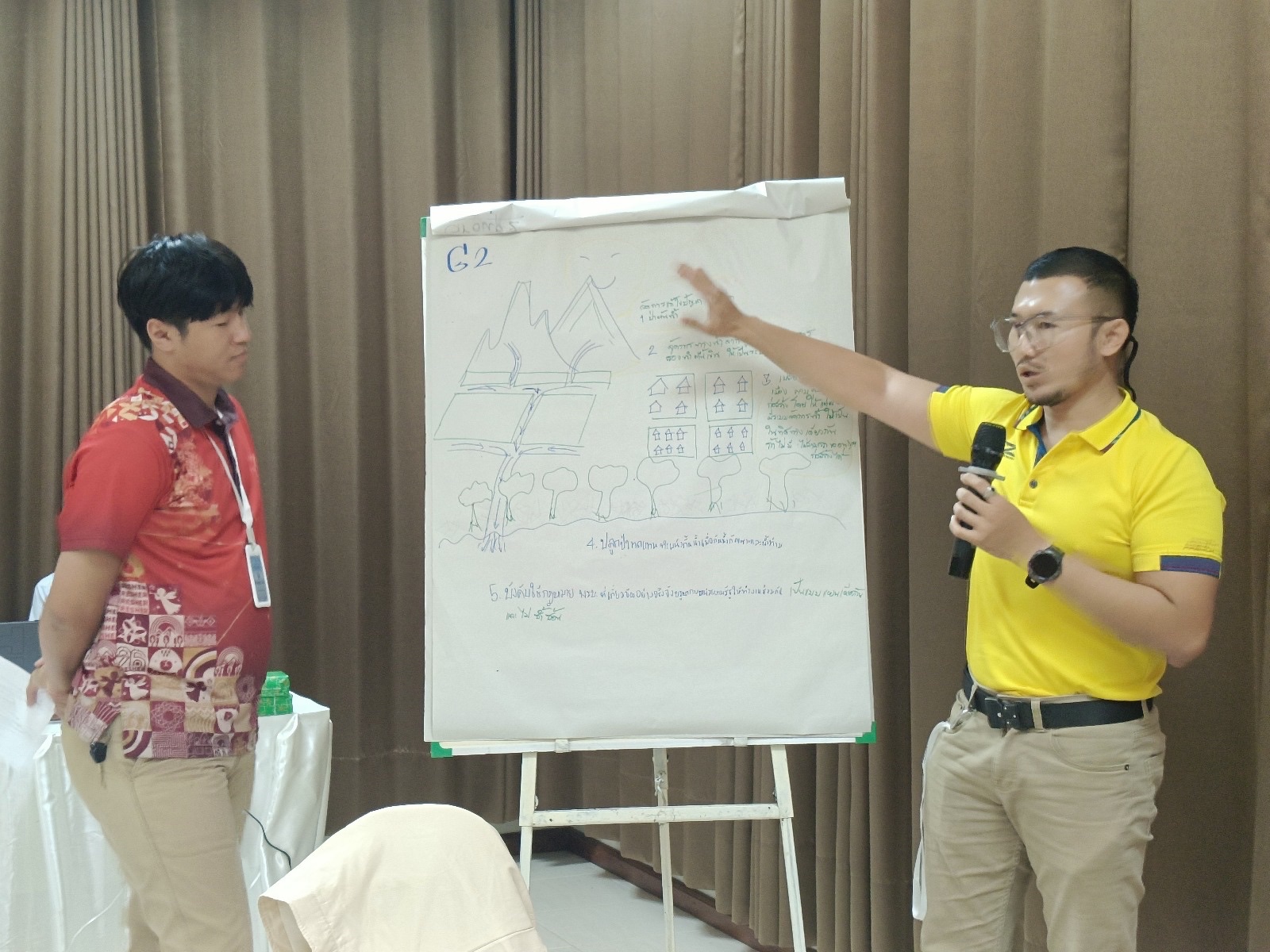
Photo 4: Presentation of the participants
Showcasing Solutions and Moving Forward
Each group presented its concepts, outlining key principles for resilient community design—from permeable surfaces and elevated structures to inclusive evacuation routes and diversified water sources. The workshop concluded with reflections and closing remarks from Dr. Natthachet Tangdamrongsub of the Asian Institute of Technology, who emphasized the importance of participatory processes in shaping sustainable and locally appropriate adaptation pathways.
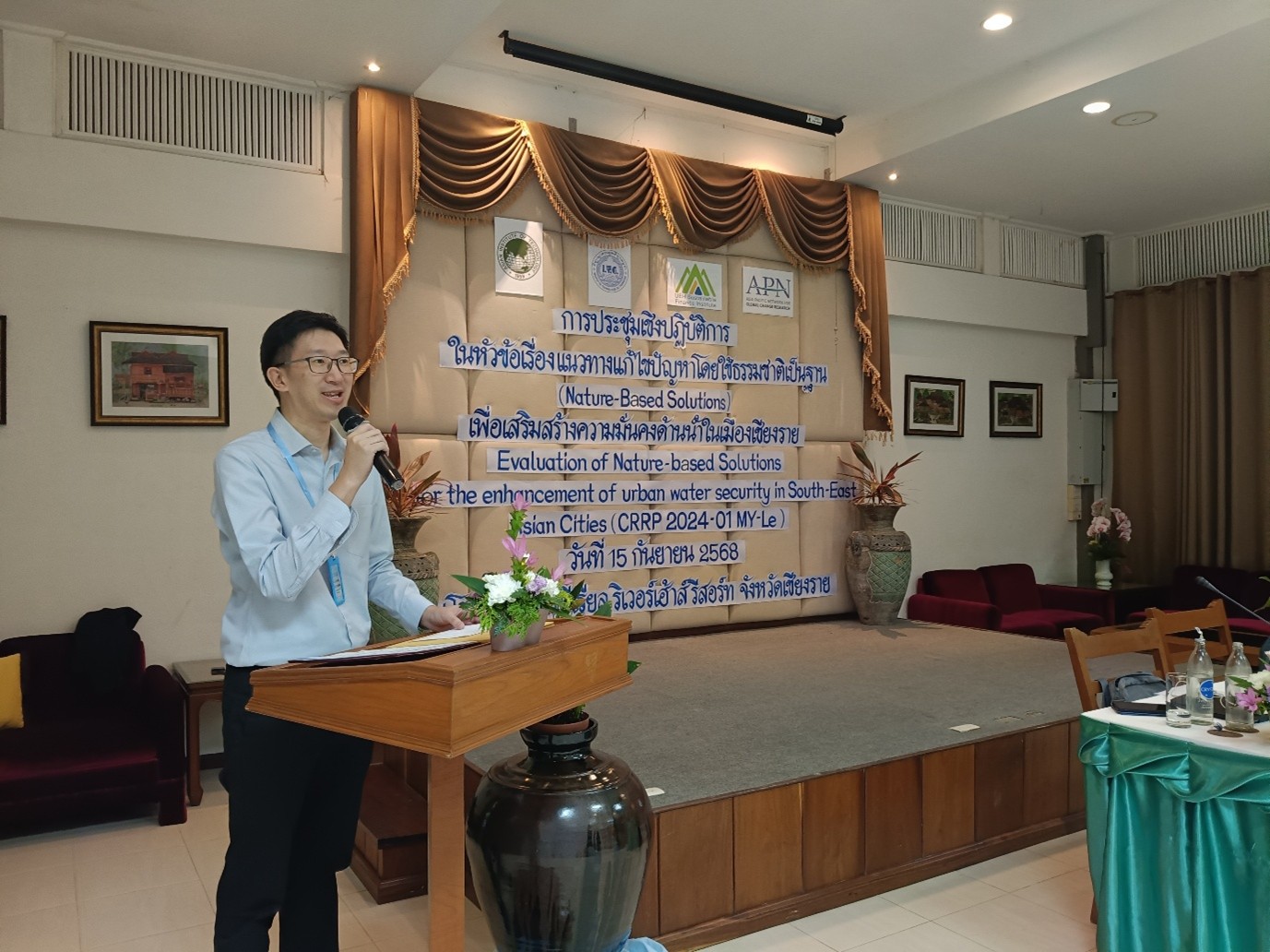
Photo 5: Dr. Natthachet Tangdamrongsub (AIT) provided feedbacks and insights from the workshop
Toward a More Resilient Chiang Rai
The workshop marks a significant step toward strengthening urban water security in Chiang Rai through collaborative planning and the integration of NbS. The insights generated will feed into upcoming project phases, including pilot implementation, capacity-building activities, and policy recommendations aimed at supporting provincial and community-level action.